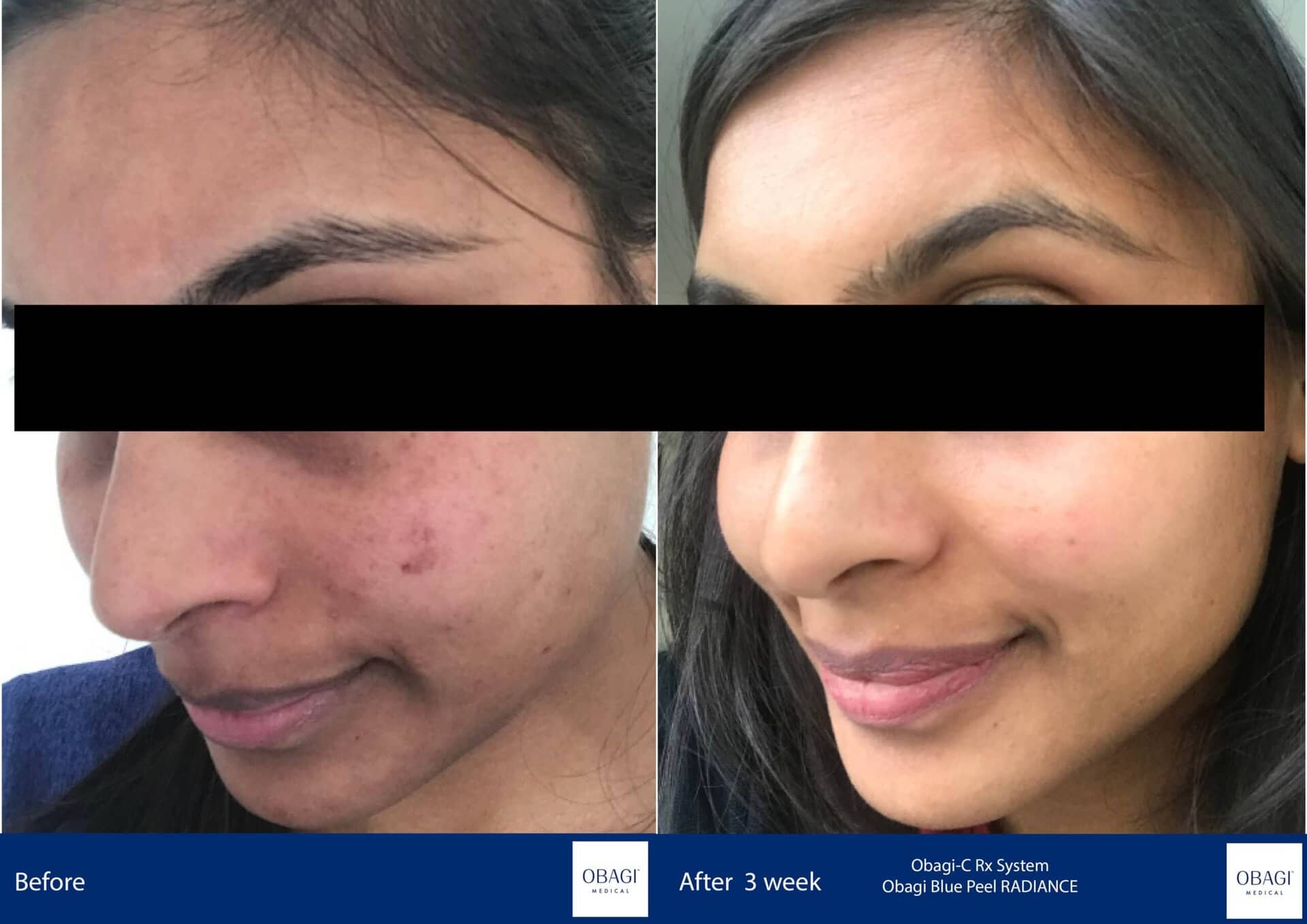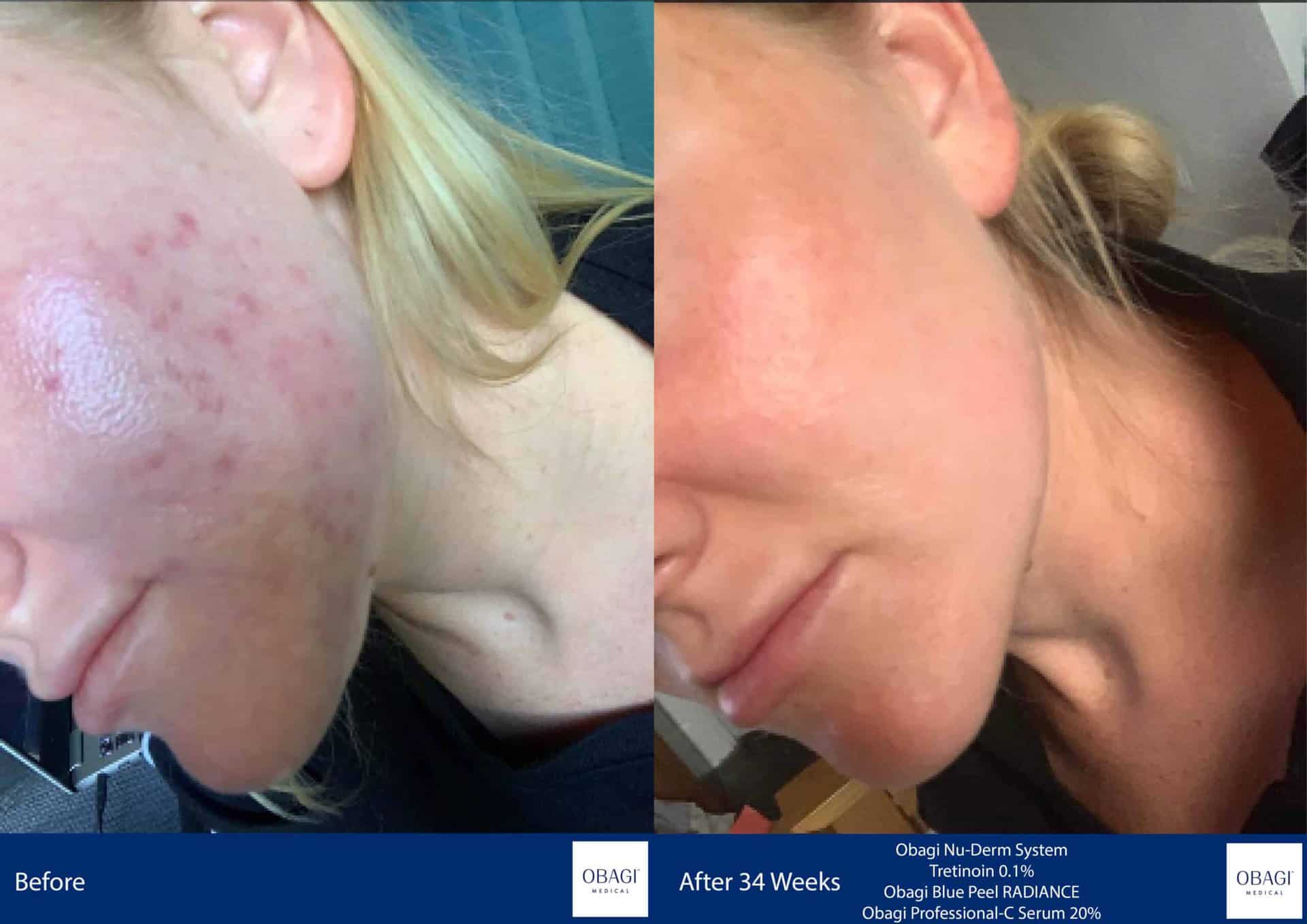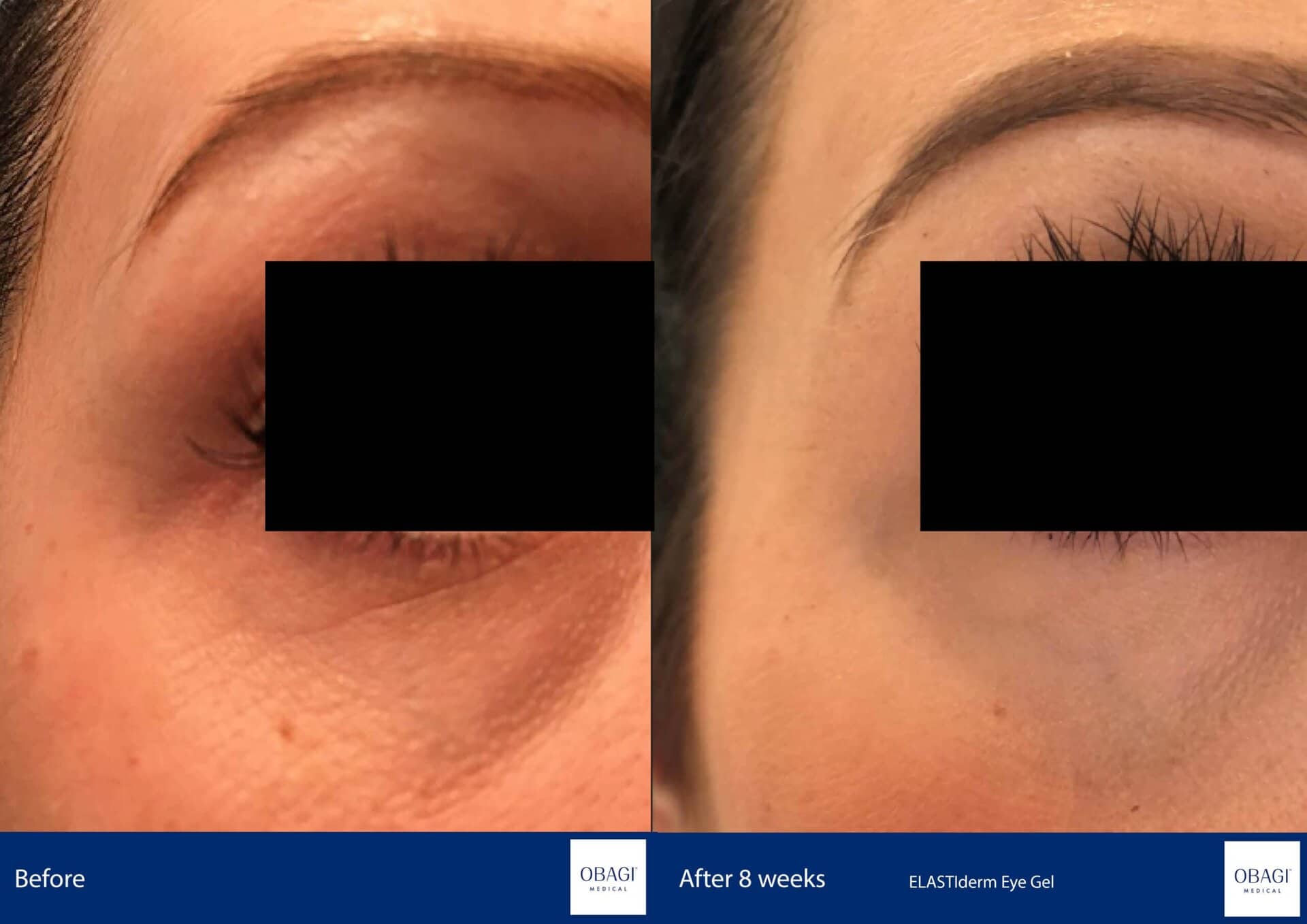
This requires a full consultation as this is a prescription only product.
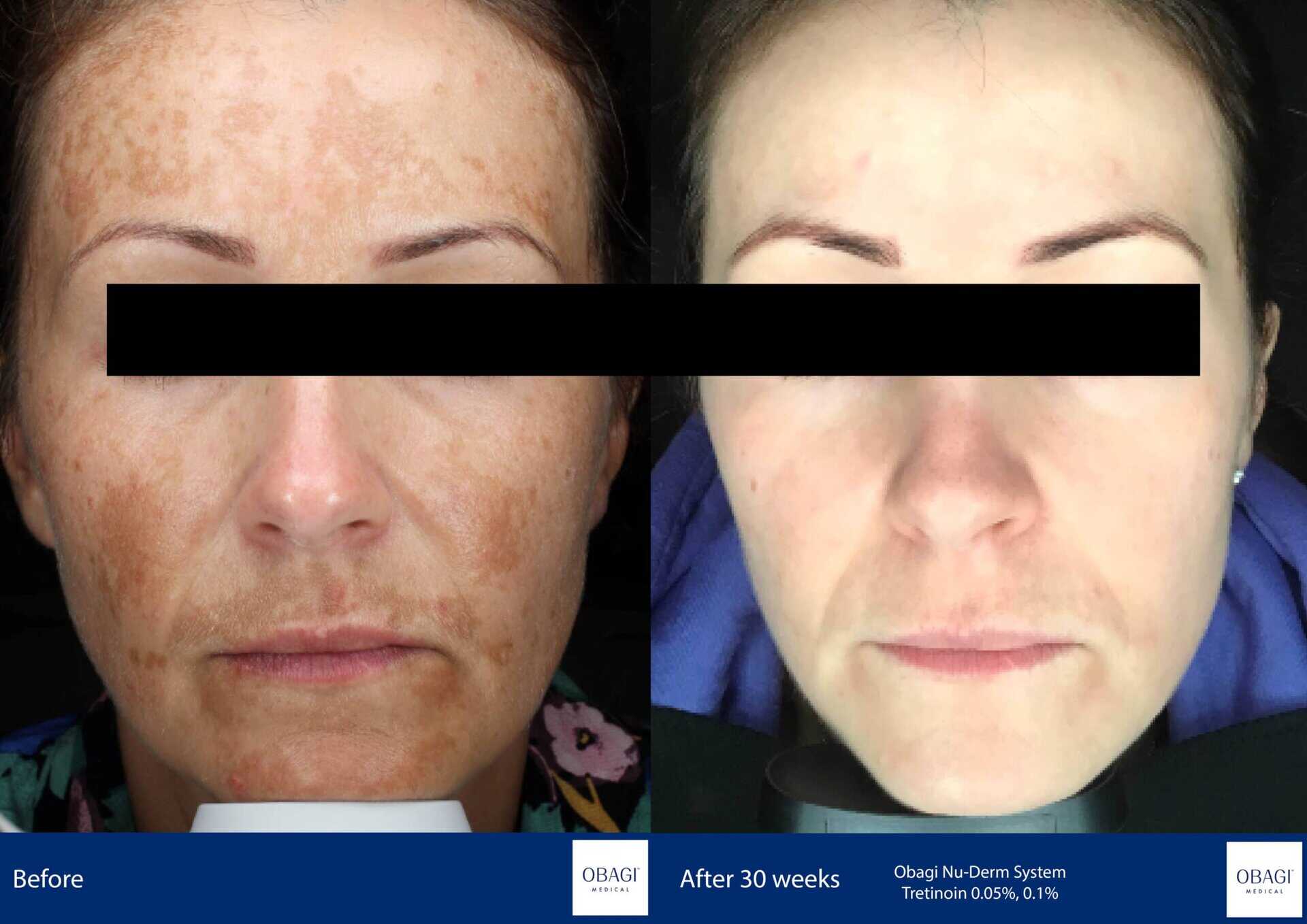
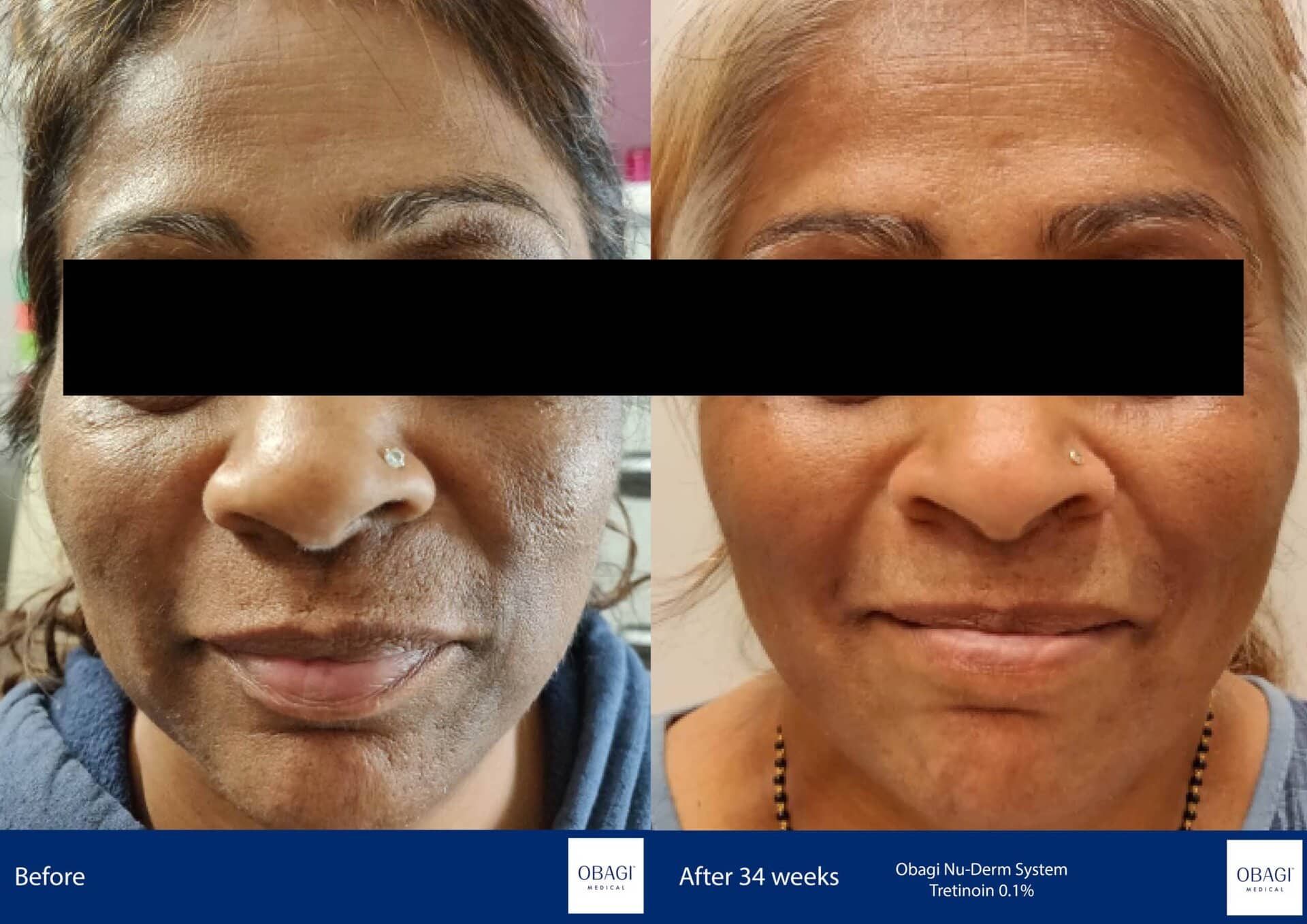
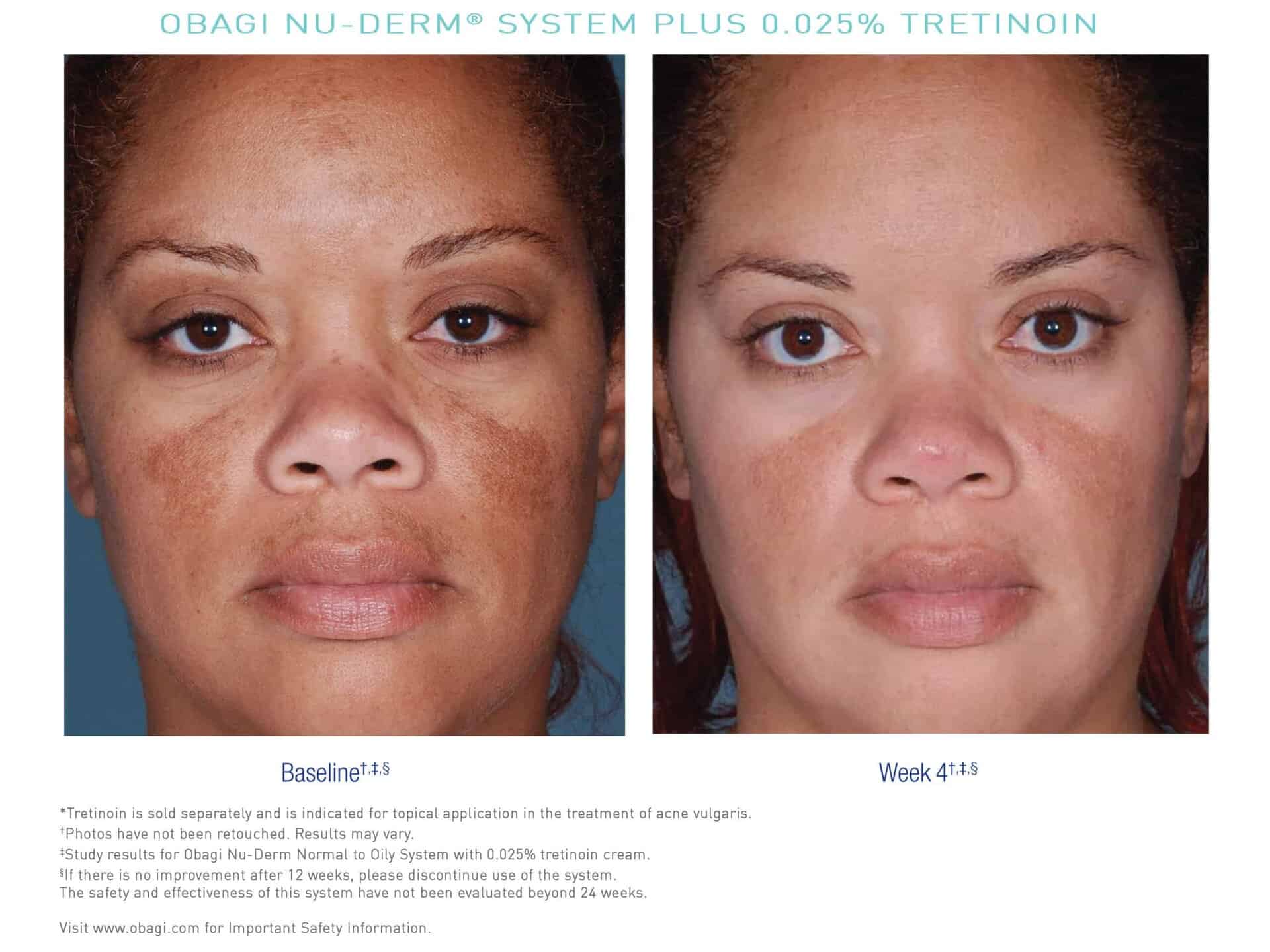
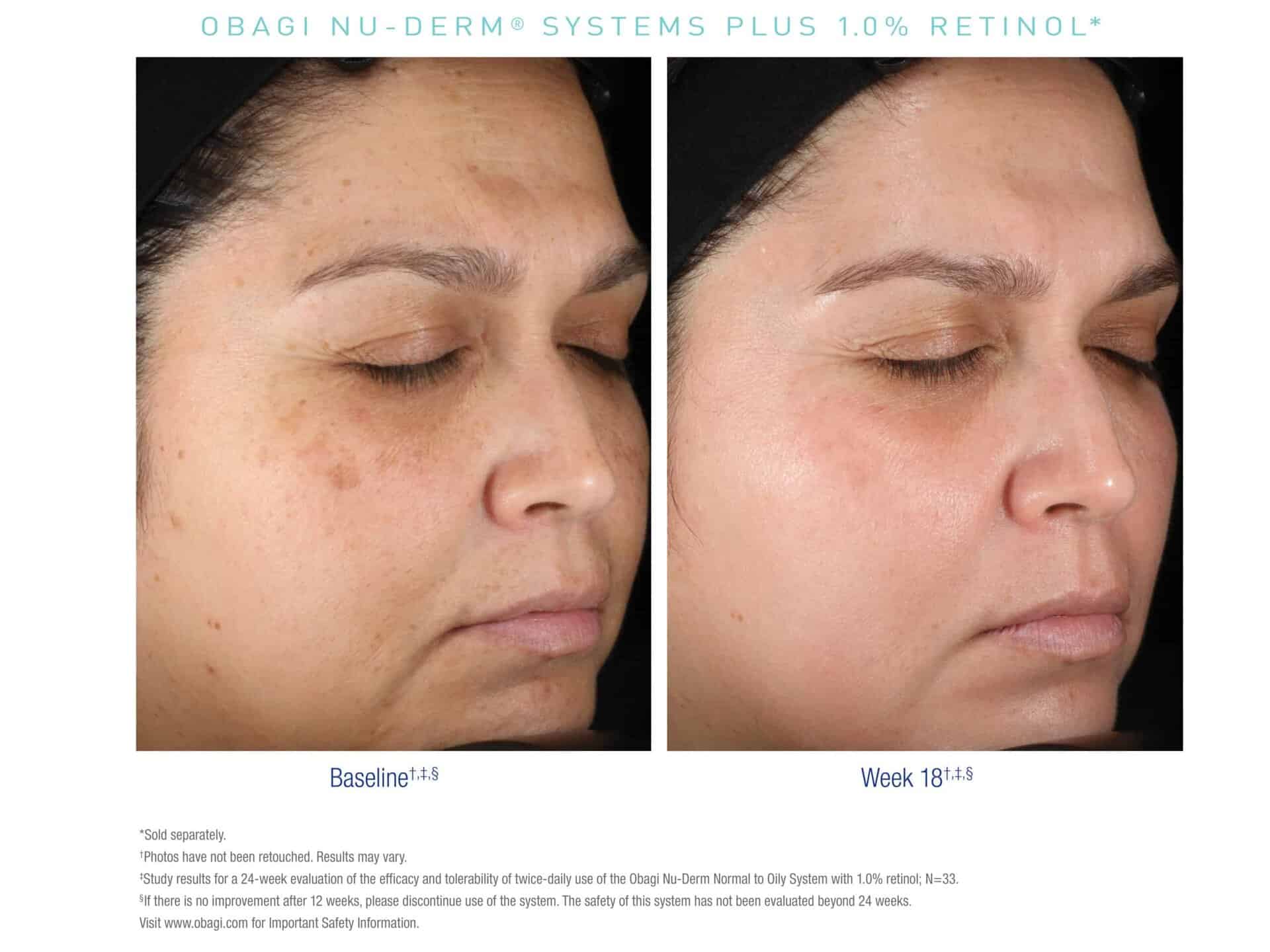
Factors such as sun exposure and genetics contribute to photoageing, which results in premature ageing of the skin.1 Obagi Nu-Derm® is the #1 physician-dispensed skin care system specifically formulated for all skin types. 2 This hyperpigmentation system contains prescription 4% hydroquinone to correct hyperpigmentation and help restore younger, healthier-looking skin. The Obagi Nu-Derm® System plus tretinoin* helps to improve these signs of visible skin ageing: • Hyperpigmentation and sun spots • Rough, uneven skin • Unwanted lax or loose-looking skin • Appearance of fine lines and wrinkle
Nu-Derm Transforms Your Skin From the Inside Out
Skin aging is a natural process, but daily sun exposure can contribute to premature aging. Sun-damaged skin appears dull, with older, damaged cells accumulating due to slower skin cell turnover.
The Nu-Derm System helps transform the skin’s appearance by reducing darks spots, revealing younger, healthier-looking skin.
Nu-Derm is ideal if you have:
o Age spots
o Rough skin
o Erythema (redness)
o Sallowness (yellowish complexion)
o Hyperpigmentation (discoloration)
Important Safety Information for Obagi Nu-Derm Clear, Blender® and Sunfader
(contains 4% hydroquinone)
CONTRAINDICATIONS:
People with prior history of sensitivity or allergic reaction to this product or any of its ingredients should not use it. The safety of topical hydroquinone use during pregnancy or in children (12 years and under) has not been established.
WARNINGS:
Avoid contact with eyes, nose, mouth, or lips. In case of accidental contact, patient should rinse eyes, nose, mouth, or lips with water and contact physician.
Sunscreen use is an essential aspect of hydroquinone therapy because even minimal sunlight exposure sustains melanocytic activity.
Contains sodium metabisulfite, a sulfite that may cause allergic-type reactions including anaphylactic symptoms and life-threatening or less severe asthmatic episodes in certain susceptible people. The overall prevalence of sulfite sensitivity in the general population is unknown and probably low. Sulfite sensitivity is seen more frequently in asthmatic than in nonasthmatic people.
PRECAUTIONS (ALSO SEE WARNINGS):
Treatment should be limited to relatively small areas of the body at one time since some patients experience a transient skin reddening and a mild burning sensation, which does not preclude treatment.